The corridor
Apartments along the I-35 corridor
Buda sits at the midpoint of the Austin to San Antonio run, and that one fact sets its rents. Here is what living close to the highway actually costs, and what the drive actually takes.
- 5
- Within half a mile of I-35
- 8
- Within a mile
- 10
- Within two miles
- $1,001
- Cheapest within a mile
We refresh this every day from apartment data we pay for, community websites and our own legwork. Last refresh November 7, 2026.
What the frontage costs
Rent falls as you approach the highway, then noise takes over
The corridor is the cheapest square footage in Buda, and it is cheap for a reason you can hear. The bands below are measured from each community's verified location to the nearest point on the highway.
| Distance from I-35 | Communities | Cheapest start | Median start |
|---|---|---|---|
| Under half a mile | 5 | $1,001 | $1,059 |
| Under one mile | 8 | $1,001 | $1,113 |
| Under two miles | 10 | $1,001 | $1,169 |
Straight-line distance to the nearest point on the I-35 spine through Buda. Rents are the starting figures our daily price check banked.
The drive
Real traffic-aware drive times from the corridor
These are median drive times from the communities within a mile of the highway, measured for a weekday morning arrival rather than an empty road. They are longer than the numbers a mapping app gives you on a quiet Sunday, and they are the ones worth planning around.
| Destination | Typical drive |
|---|---|
| Austin, downtown | 42 min |
| UT Austin | 48 min |
| Ascension Seton Hays | 13 min |
| Kyle city center | 12 min |
| Tesla Giga Texas | 25 min |
| The Domain | 52 min |
Median across the corridor roster, traffic-aware, weekday morning.
Along the corridor right now
See these on the mapClosest to the highway first, with today's proven starting rents.
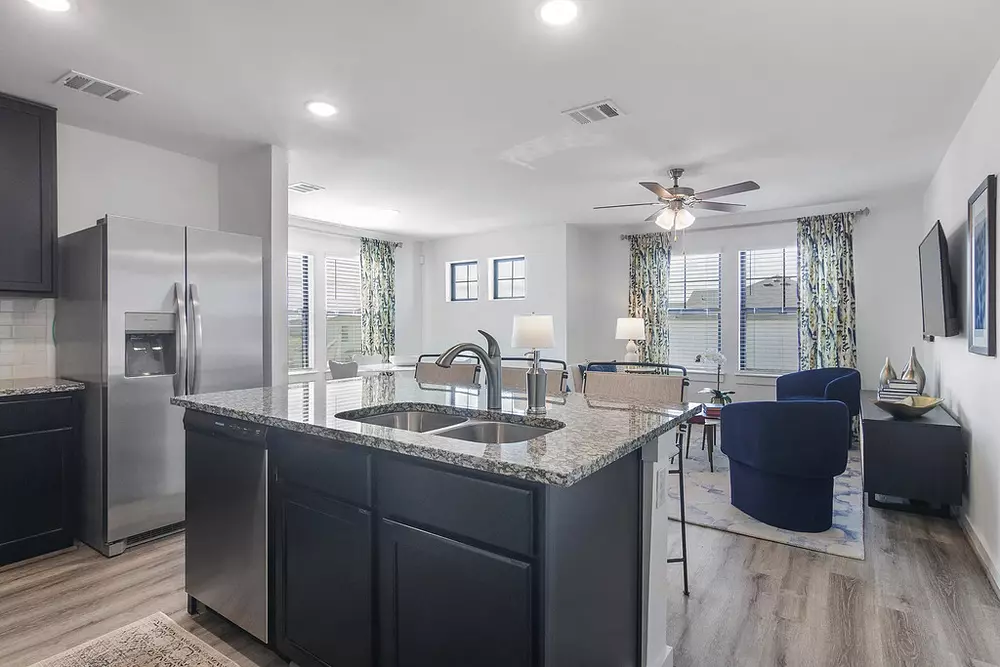
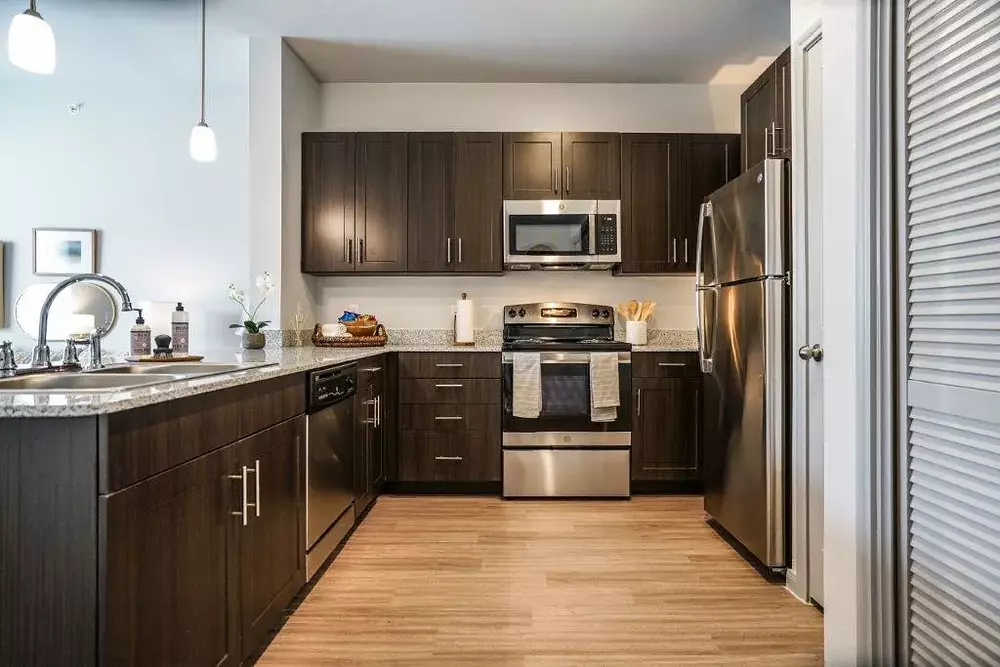
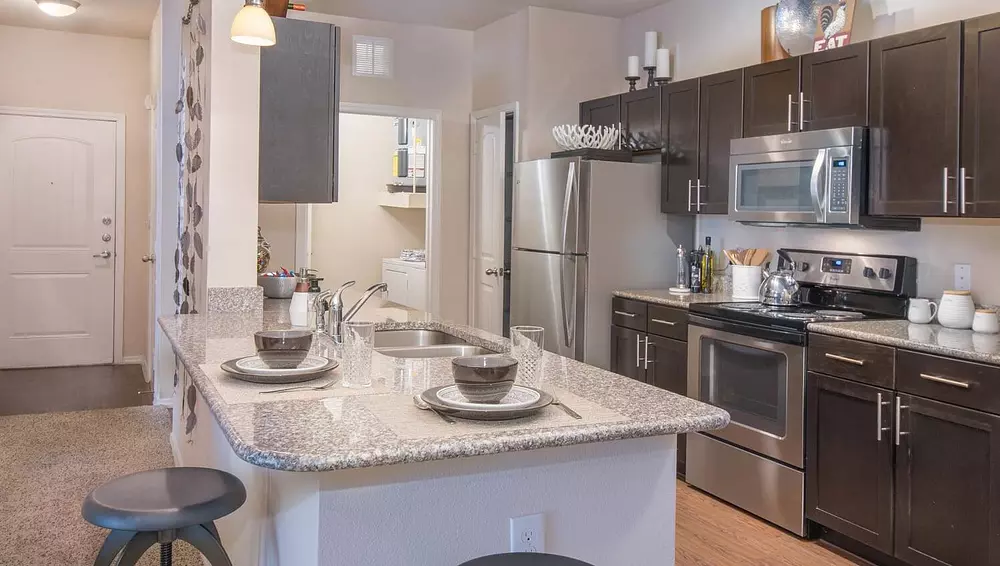
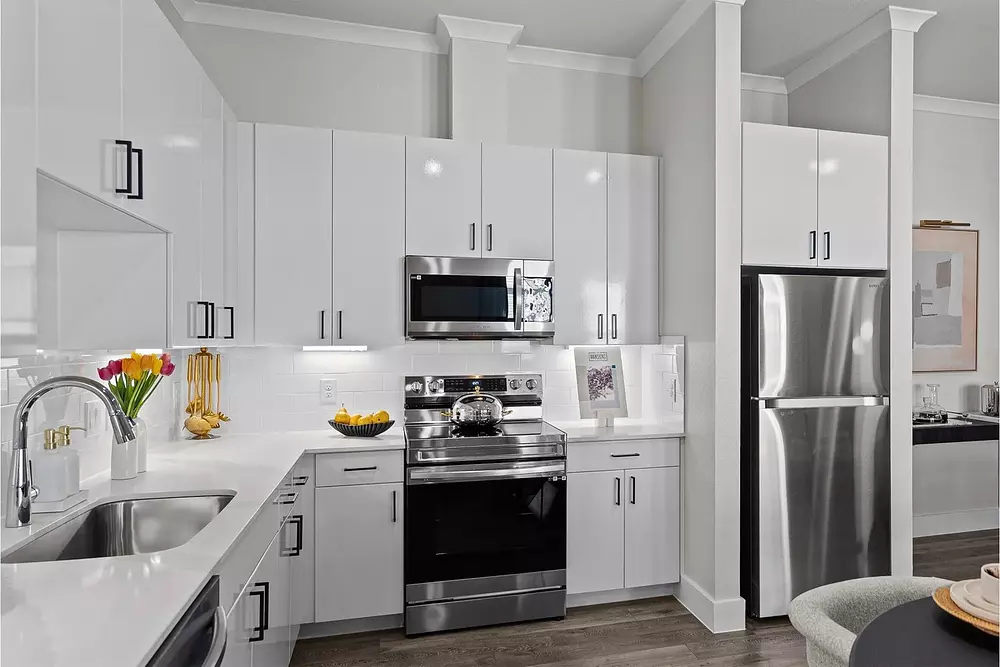
Communities we work with
These are our picks, and we're paid a fee by many of them when someone leases. Everything below is ordered by the deal math, not by that.

Who this suits
The corridor is a commuter's trade, not a compromise
If your work is in San Antonio or south Austin, living on the corridor buys you the shortest possible on-ramp and the lowest rent per square foot in the city. If your work is downtown Austin, the drive is the real cost and it grows every year, so weigh the whole trip rather than the rent alone.
Either way, our rent history shows whether a given corridor community has been holding its price or cutting it, which is often the difference between a good deal and a building with a vacancy problem.
Every community within two miles of the highway (10)
The full roster behind the numbers above.
- Springs At Sunfield · from $1,001 · Downtown Buda & Main Street
- Carrington Oaks · from $1,057 · Downtown Buda & Main Street
- Silverado Crossing · from $1,059 · Downtown Buda & Main Street
- Emerson at Buda · from $1,086 · South Buda & FM 2001
- Ryze at Sunfield · from $1,139 · Downtown Buda & Main Street
- Junewood · from $1,199 · Downtown Buda & Main Street
- Prose Buda · from $1,269 · South Buda & FM 2001
- Luxe of Buda · from $1,294 · South Buda & FM 2001
- Mansions of Buda · from $1,367 · South Buda & FM 2001
- Covey Homes Harvest Meadows · from $1,979 · South Buda & FM 2001
Questions renters actually ask
How long is the drive to Austin, honestly?+
Our commute figures are traffic-aware and measured for a Tuesday morning arrival rather than an empty road at two in the morning. That is the number that matters, and it is usually noticeably longer than a mapping app shows you on a Sunday.
Is living right on the frontage road a mistake?+
It is a trade. You get the fastest access to the ramps and usually a lower rent per square foot. You get highway noise with it, and the difference between a building that faces the highway and one screened behind another building is large. Tour in the afternoon with the windows open.
Which direction is the better commute?+
Northbound to Austin is the heavier direction in the morning and the slower one. Southbound to New Braunfels and San Antonio moves better. If your work is south, the corridor is a real bargain; if it is north, weigh the drive against the rent you save.
Do the outlet malls affect traffic?+
On weekends, considerably, around the central exits. Weekday commuting is largely unaffected, but a Saturday errand can take three times as long as you expect.
Keep reading
Moving down from Austin
What the same money buys here, drive included.
Every price move
The public record of what has gone up and down.
Rent history
Whether a corridor community holds or cuts.
Move-in specials
The corridor discounts more often than downtown.
Downtown Buda
The other half of the Buda market.
The live map
See the corridor for yourself, with today’s pricing.